How Heat Treatment Can Eliminate Bed Bugs: Critical Equipment and Inspection Methods
Heat treatment remains a reliable approach for exterminating bed bugs. By raising temperatures beyond 120°F, it addresses all life stages, including eggs. Critical equipment, such as thermal imaging cameras and fans, serves a key function in delivering effective results. However, thorough inspections are necessary to detect infestations and common hiding spots. Knowing these elements is crucial to a productive treatment. What particular techniques can maximize the results of this process?
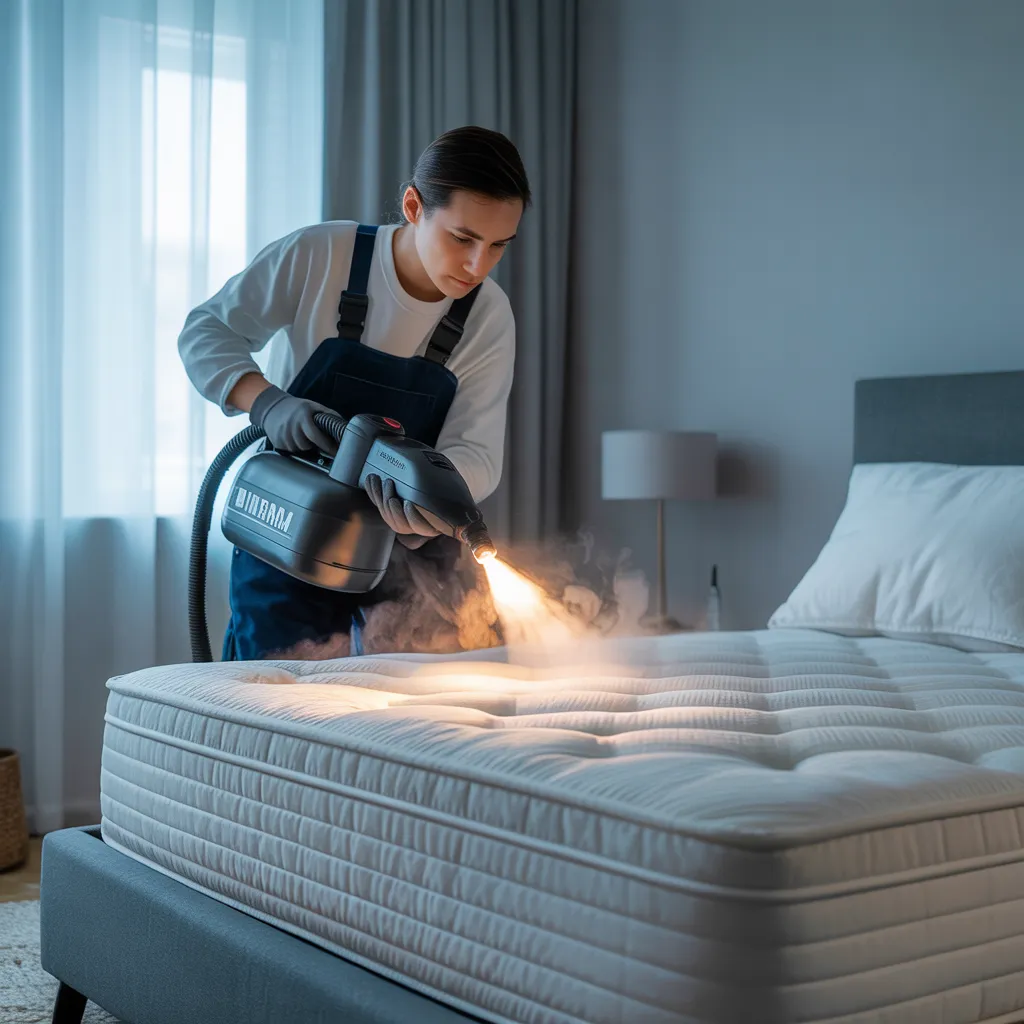
Why Heat Treatment Is the Best Solution for Bed Bug Elimination
Heat treatment has emerged as one of the most effective methods for exterminating bed bugs. This approach utilizes high temperatures, typically between 120°F and 140°F, to eliminate all developmental stages of these bugs, including eggs. Unlike chemical treatments, which may require multiple applications and can leave behind residues, heat treatment reaches deep into furniture, cracks, and crevices, guaranteeing comprehensive coverage.
In addition, this treatment is environmentally safe, as it eliminates the use of toxic pesticides, making it a healthier choice for homes and workplaces alike. The efficiency of heat treatment is noteworthy; evidence suggests that it can eliminate bed bugs within just minutes of reaching lethal temperatures. On top of that, heat treatment usually demands less time than older techniques, facilitating quicker resolution of infestations. Given these advantages, heat treatment emerges as a dependable solution for people struggling with bed bug infestations.
What You Need for Successful Heat Treatment
Successful heat treatment for bed bug eradication requires careful preparation and the right equipment. Necessary tools consist of high-capacity heaters able to reach temperatures surpassing 120°F, which is essential for destroying bed bugs at every stage of their life cycle. Thermal imaging devices can assist in locating thermal discrepancies, confirming that every area is properly heated. In addition, fans play a crucial role in effectively moving hot air, supporting even temperature distribution throughout the entire treated space.
Protective gear, including gloves and masks, is essential for safety during the treatment process. Reliable temperature monitoring devices, like thermal sensors, allow for accurate monitoring of temperature levels in multiple areas. A reliable energy source is essential, as thermal treatment may demand lengthy periods of use. Finally, effective insulation of the treatment areas assists in maintaining elevated temperatures longer, boosting treatment success. With the right preparation and equipment, the likelihood of successful bed bug eradication are greatly enhanced.
Discovering Bed Bug Hiding Spots Throughout Your Home
Where might bed bugs be concealed in a home? These pests are notorious for their ability to conceal themselves in various locations. Common hiding spots include the seams and folds of mattresses and box springs, where they can feed on sleeping occupants. Bed frames and headboards additionally function as perfect hiding places, frequently containing eggs and nymphs within their cracks.
In addition to bedding, bed bugs may inhabit furniture, particularly padded furnishings such as couches and armchairs. They can also crawl into crevices within walls, baseboards, or flooring. Disorganized spaces, including dressers and storage areas, create ideal conditions for these bugs to multiply.
Routine checks of these areas can assist in detecting infestations at an early stage. Property owners ought to stay watchful, thoroughly checking any suspicious spots and utilizing a flashlight to better illuminate the area. Being aware of where bed bugs tend to conceal themselves is key to managing them effectively.
Performing Heat Treatment: Step-by-Step Instructions
A methodical heat treatment strategy can successfully eliminate bed bugs from affected areas. The method commences with a detailed evaluation to establish the severity of the infestation and the exact locations demanding treatment. Next, all items in the affected area should be removed or covered to prevent heat loss. The interior temperature should be increased to no less than 120°F (49°C) through the use of dedicated heaters, making certain that heat is distributed consistently throughout the room.
Monitoring devices should be placed to track temperature levels, as uniformity in temperature is vital for optimal results. After the desired temperature has been achieved and held for a minimum of 90 minutes, the process may be regarded as effective. After completion, the room should be reduced in temperature in a gradual manner, and an additional assessment carried out to ensure the removal of bed bugs. Lastly, all leftover belongings should be addressed or removed to avoid future infestations, guaranteeing a comprehensive method of eliminating bed bugs.
Quick Steps to Keep Your Space Free from Bed Bugs
Sustaining a bed bug-free home calls for proactive strategies and ongoing vigilance. Routine checks of sleeping spaces, such as mattresses, box springs, and furniture, are critical for identifying the earliest indications of bed bugs. Keeping personal belongings off the floor and using protective covers on find the information mattresses can greatly reduce the risk of infestation.
Clearing out spaces reduces areas where these pests can hide, while frequent laundering of bedding and clothing in hot water works to destroy any potential eggs or bugs. Regular vacuuming is essential, with the vacuum bag being thrown away promptly to prevent re-infestation.
Visitors must copyrightine their hotel accommodations and keep luggage elevated off floors. Moreover, training all family members about identifying bed bugs and their indicators enhances overall awareness and quick response. By applying these measures on a regular basis, people can reliably sustain a space free of bed bugs and reduce the likelihood of an infestation.
Questions We Often Receive
How Much Time Does Heat Treatment Need to Get Rid of Bed Bugs?
Heat treatment generally requires between six to eight hours to completely eliminate bed bugs. The length of treatment may differ according to the size of the infested area and the machinery employed during the treatment process.
Are There Potential Side Effects of Heat Treatment on Personal Belongings?
Thermal treatment can potentially damage fragile objects, including electronics, plastics, and artwork, because of elevated heat levels. That said, the majority of items, notably textiles and hard surfaces, usually survive the procedure with no significant damage or lasting impact.
Can I Handle Heat Treatment Myself or Should I Hire a Professional?
People have the option to conduct heat treatment on their own or enlist a professional. DIY methods may lack precision, while professional services provide thoroughness and safety. Evaluating the risks and results can help identify the ideal solution for eliminating bed bugs.
What Temperature Is Necessary to Kill Bed Bugs Effectively?
To successfully eliminate bed bugs, the temperature must achieve a minimum of 118°F (48°C) for a sustained period. Elevated heat levels, around 130°F (54°C), can provide quicker results, confirming the thorough extermination of every life stage.
How Frequently Should I Repeat Heat Treatment for Optimal Results?
Scheduling repeated heat treatments every two to four weeks is suggested for optimal results. This routine helps confirm any recently hatched bed bugs are destroyed, stopping re-infestation while ensuring comprehensive eradication of the pests.